The power of brand collaborations
While partnerships between companies and influencers have dominated the landscape in recent years, we are increasingly seeing companies team up with one another—whether they operate in similar fields or come from completely different worlds. More than just a promotional opportunity, brands are now using other brands as a media, a gateway into a specific culture, or a shortcut to a new brand identity. They gain access not merely to each other’s customer bases, but to the very essence of what the partner brand represents in the minds of consumers and the public.
These collaborations play a pivotal role in modern marketing, whether the goal is to reach new audiences, accelerate growth, boost credibility, or revitalize a brand, benefiting both SMEs and well-established corporations alike.
Tangible Results
Brand collaborations allow companies not only to cross-pollinate their existing audiences but also to attract new customers who might not otherwise have shown interest in either brand.
Beyond increased visibility, successful collaborations generate genuine buzz across both traditional media and social networks. This attention typically translates into higher demand and premium pricing, leading to a tangible rise in sales. In fact, according to Forbes, some brands saw their revenue grow by 28% through partnerships in 2023—a figure that can reach up to 50% annually for long-term collaborations. A strategic partnership can turn a passive audience into engaged fans, making collaboration a powerful driver of growth and visibility.
What Makes a Brand Collaboration Work?
The most successful brand partnerships are not necessarily those between two brands from the same sector.
Above all, the two brands must have a credible reason to exist together.
Compatibility comes first
A successful collaboration highlights a shared aspect of the two brands, whether it be their values, their mission, or simply a compatibility that may or may not be immediately apparent.
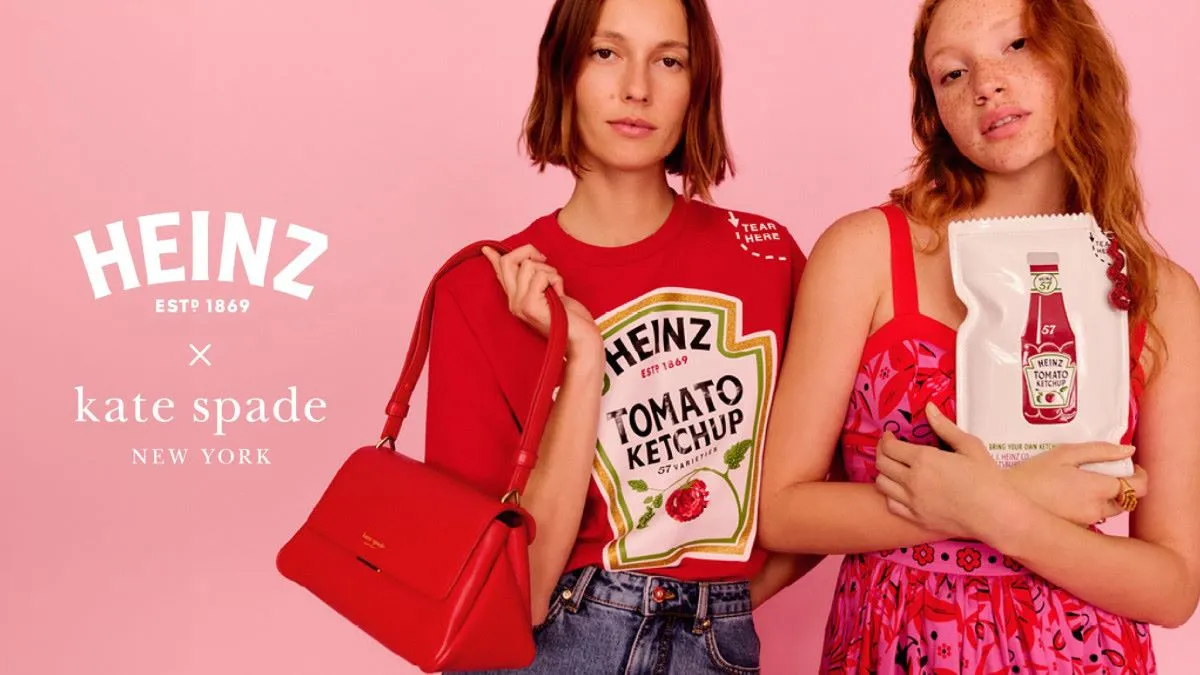
For instance, as Megan Lang, Heinz’s Global Director of Communications and Creativity, explained to Business Insider, designer handbags and condiments aren’t things one naturally associates with one another; yet, the collaboration with Kate Spade was built on shared values like excellence, craftsmanship, and a commitment to the highest quality.
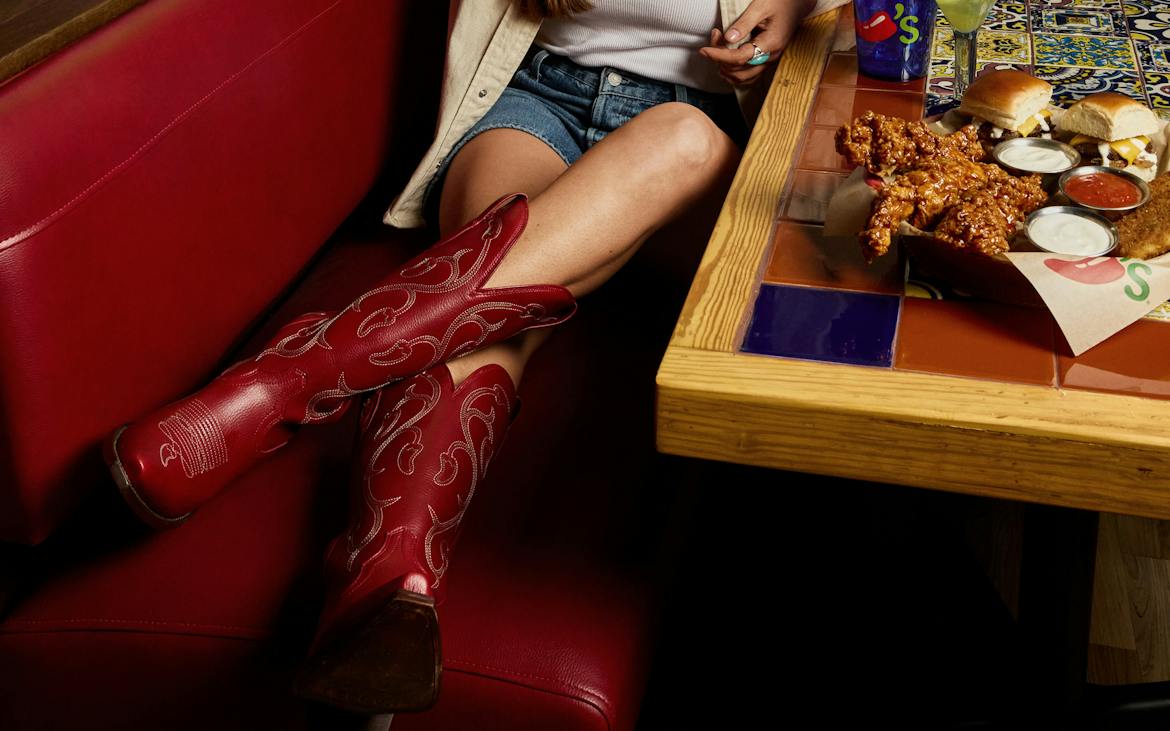
The same applies to the collaboration between the restaurant chain Chili’s and the cowboy boot brand Tecovas: the campaign was a tribute to American culture, a theme that resonated with both brands.
The Power of Emotional Connection
According to branding experts, the best collaborations forge an emotional bond with the public. “It creates this combined dopamine effect: getting people excited, and then those positive feelings get connected back to the brand that’s introducing them,” Eric Schiffer, an expert in brand strategy and chairman of Reputation Management Consultants, told Business Insider.
This is especially true for collaborations between food and fashion brands, both of which play a central role in daily life and popular culture. These two worlds are deeply personal: fashion is a form of self-expression, while food is steeped in emotion and nostalgia.
Capturing attention in the short and long term
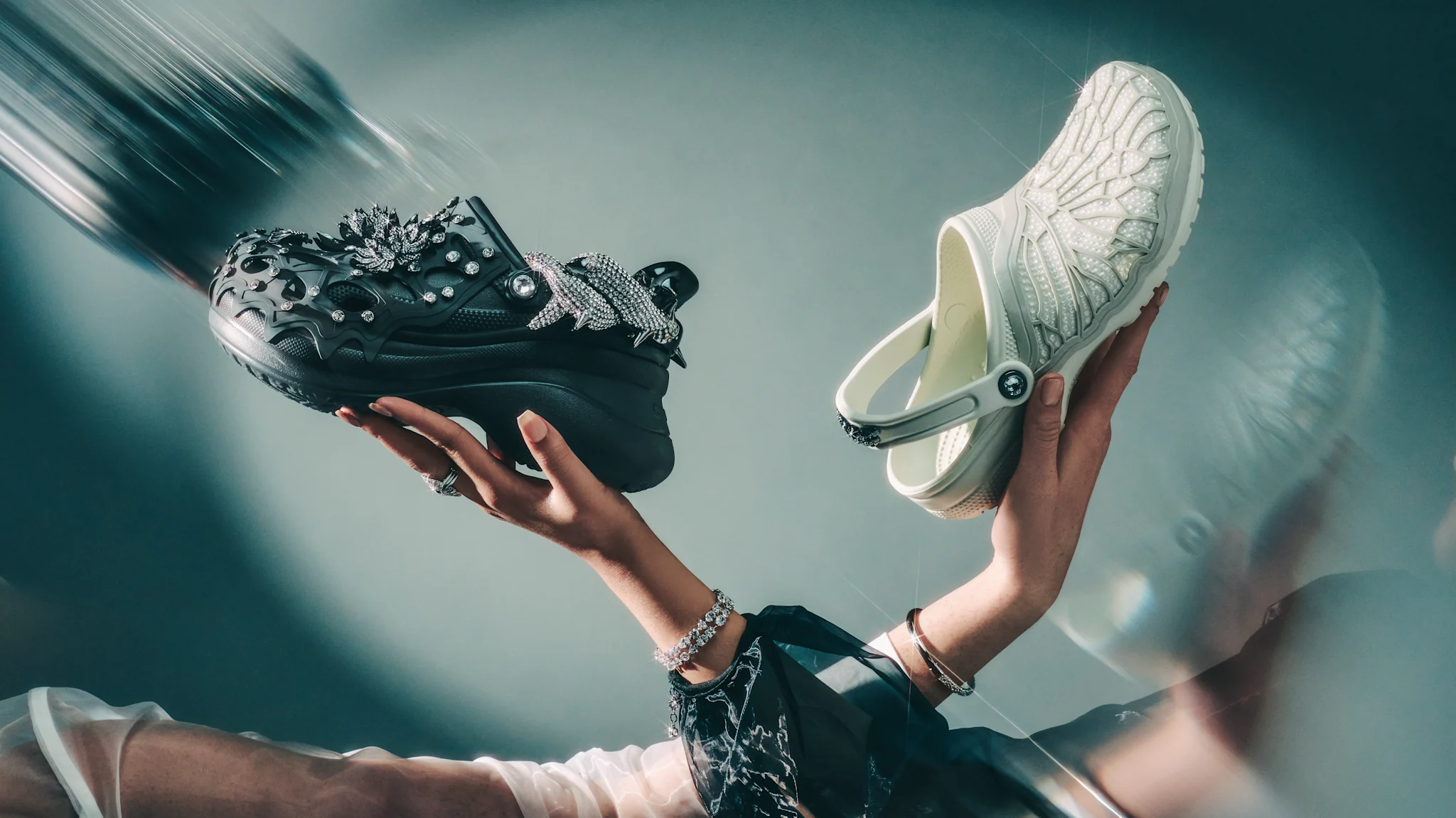
When it comes to unexpected partnerships, such as the one between Crocs and Swarovski, they serve a broader purpose: maintaining visibility in a saturated market where grabbing attention and standing out from the crowd is becoming increasingly difficult. The more unusual these collaborations are, the greater their potential to go viral, even if no one asked for them. It’s a win-win: Crocs gains glamour, while Swarovski gains a more pop-culture presence.
While the quirky and unexpected nature of these collaborations certainly makes an impact, their ultimate goal is to strengthen each brand’s unique identity. As Grace Murray Vazquez, Executive Vice President of Strategy at influencer marketing agency Fohr, puts it: “It’s less about getting audiences to try the collaboration, and more about reminding them to reach for the original thing. It’s ultimately not just bizarre; it is like a calculated unexpectedness.” Indeed, the surprise itself isn’t the strategy—it’s the mechanism for capturing attention. Once that attention is secured, the collaboration must still reinforce something authentic about the brand. Otherwise, you generate buzz… but no brand value.
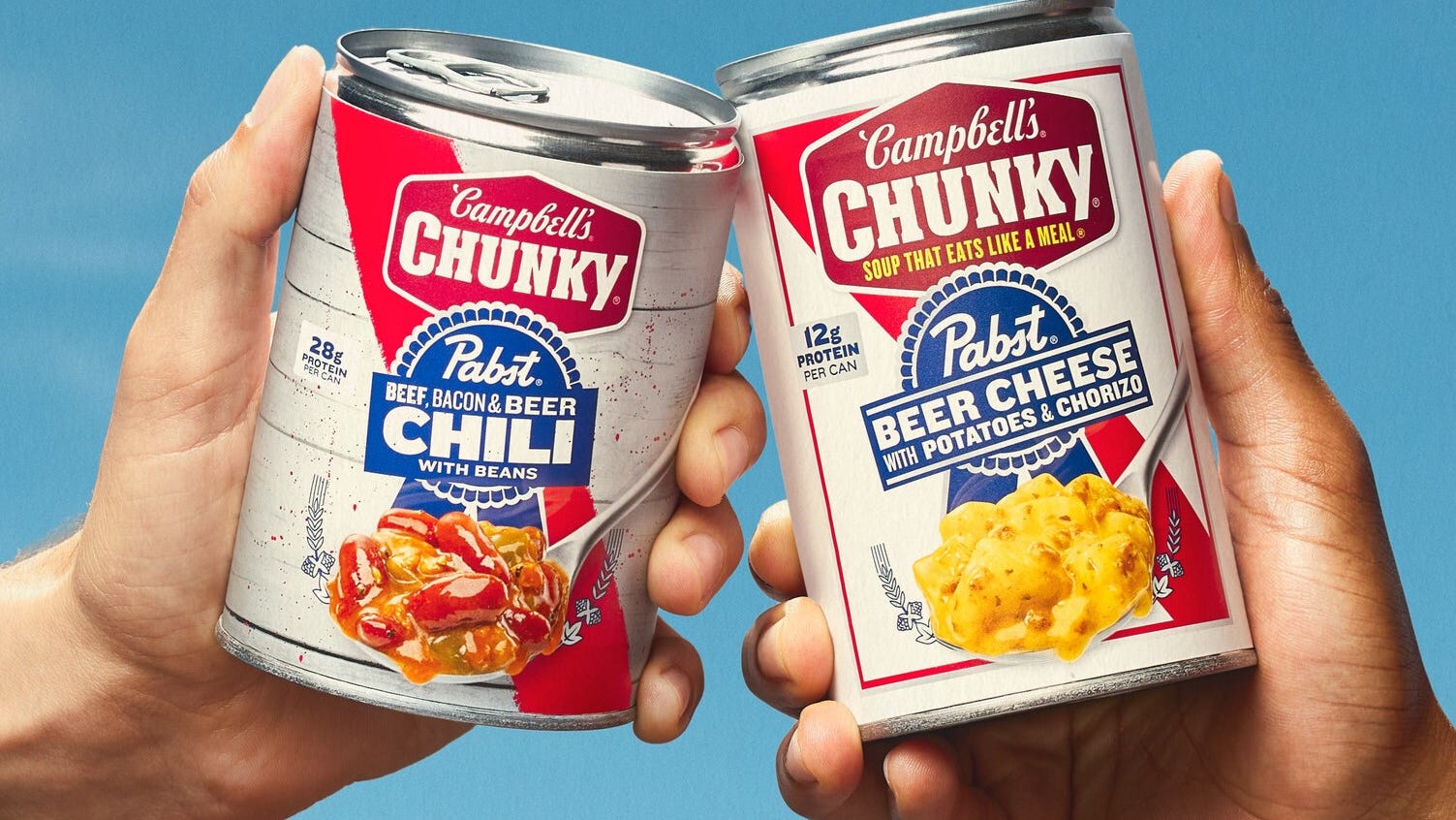
Finally, while the aim is for a collaboration to turn heads, product quality must always take center stage. “Above all, we wanted to make sure it tasted good, given that our logo was on it,” says Rachel Keeton, Senior Brand Manager at Pabst Blue Ribbon, regarding the brand’s collaboration with Campbell’s Chunky to create beer-infused soups.
Creating a New Entity
What if, when it comes to brand collaborations, 1 + 1 actually equals… 3? The most successful brand partnerships are often those that give rise to a completely unique product or service, something neither brand offered before.
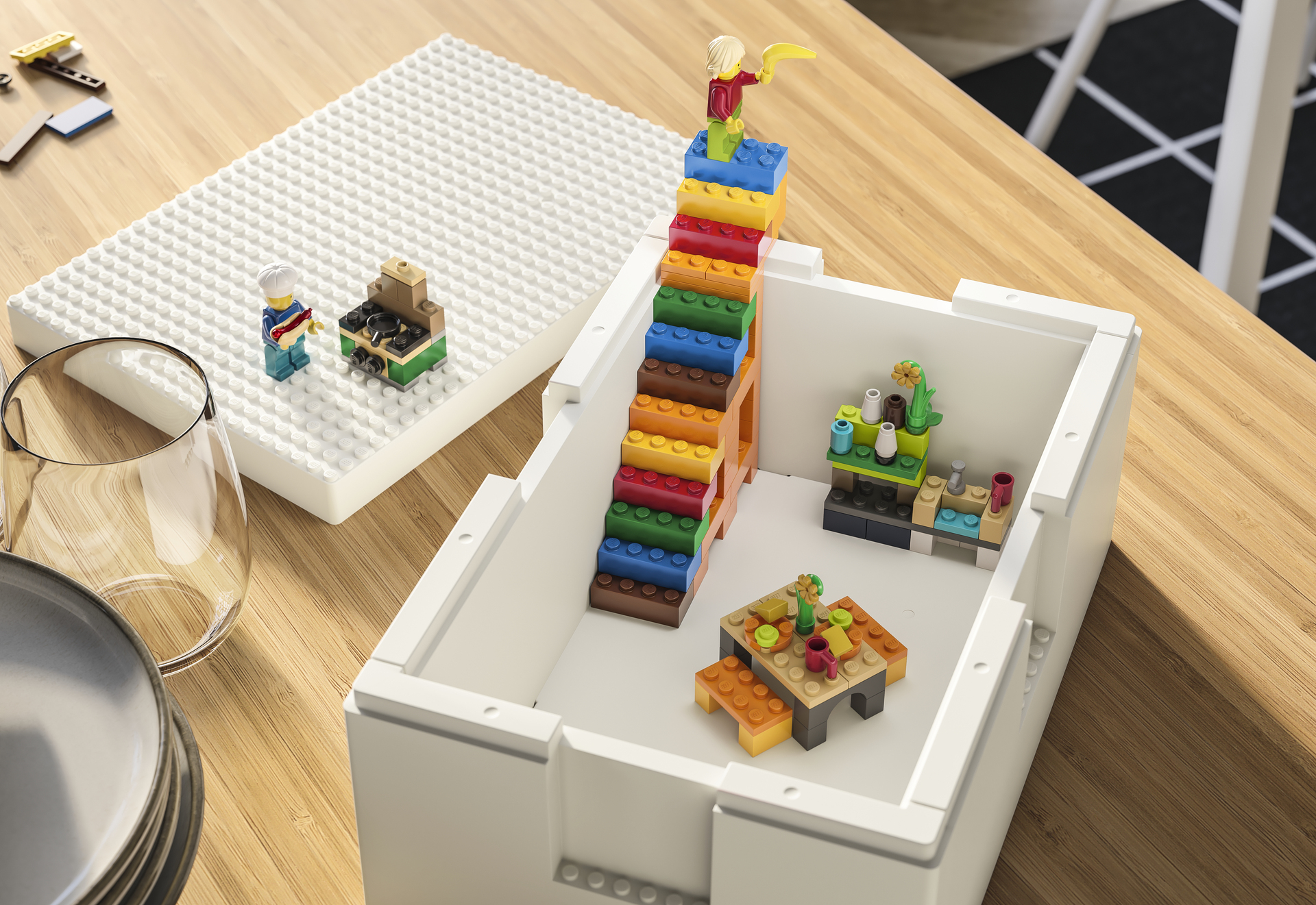
When LEGO and IKEA teamed up to create the BYGGLEK collection, it wasn’t just about storage; it was about reinventing play. The result? Storage boxes that double as surfaces compatible with LEGO bricks, seamlessly integrating fun into everyday life.
The strategy is simple yet flawless: IKEA provides storage and functionality for parents, while LEGO brings play and creativity for children. Together, they create something neither brand could have produced alone, meeting a genuine need while remaining true to their core values.
Pitfalls to Avoid
When it comes to brand collaborations, establishing a clear strategy is essential for success. Choosing an ill-suited partner, engaging in too many collaborations, or poor timing can all undermine a campaign’s success.
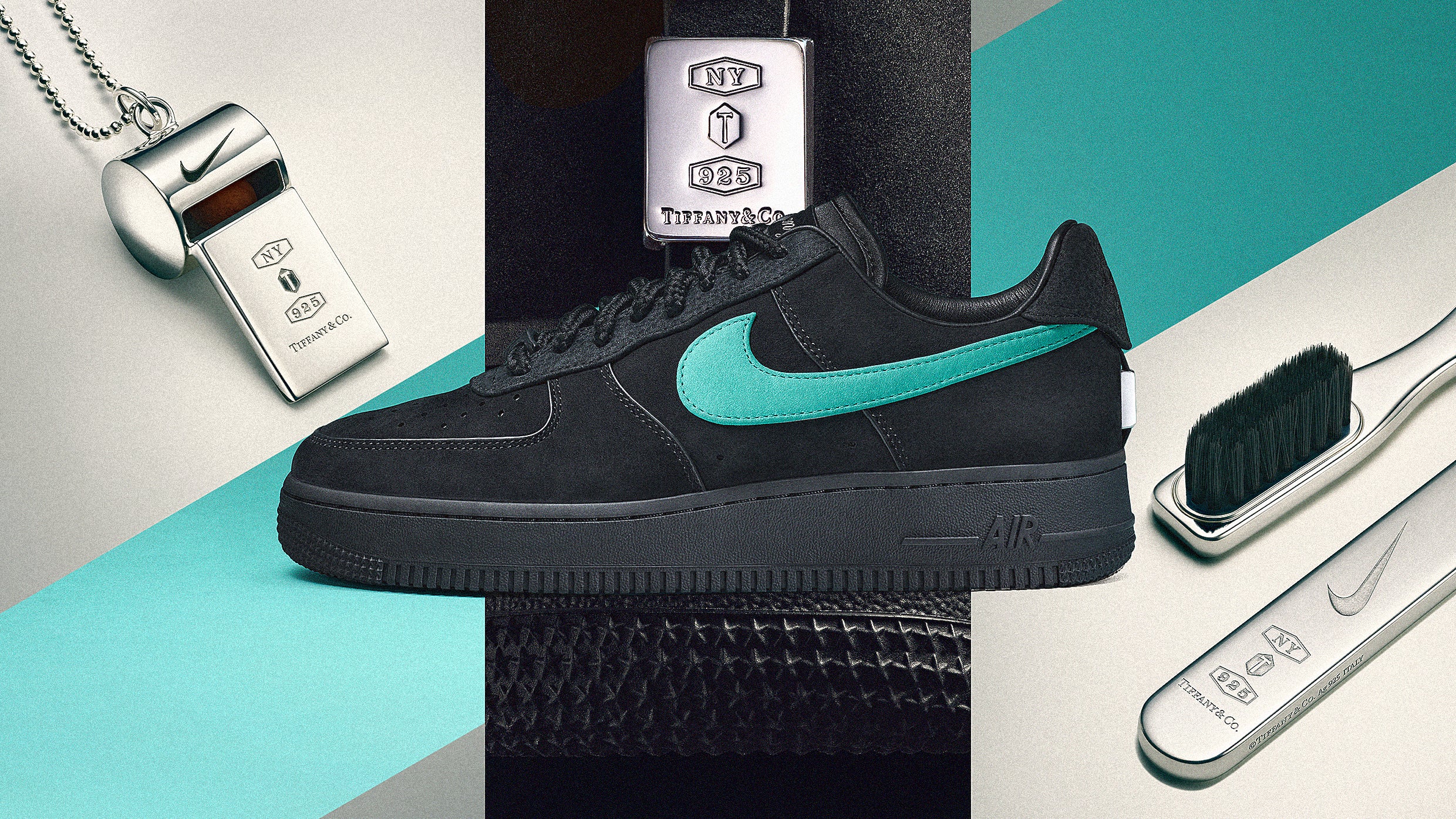
For instance, the 2003 collaboration between Nike and Tiffany was poorly received by the public. At the time, critics argued that Tiffany was losing its sense of exclusivity by piling up collaborations (with brands like Fendi, Supreme, and the NFL for the 2023 Super Bowl). Others found the collaboration’s outcome disappointing, while some were shocked by the exorbitant prices of the collection’s accessories, such as a $475 toothbrush.
Tiffany’s audience also faced the frustration of it being nearly impossible to secure a pair of the collaboration’s shoes, which sold out quickly via an online lottery and Nike’s SNKRS app, a platform notorious for being overrun by bots that snap up shoes for high-priced resale. Ultimately, the collaboration was a missed opportunity to bridge the gap between luxury and sportswear.
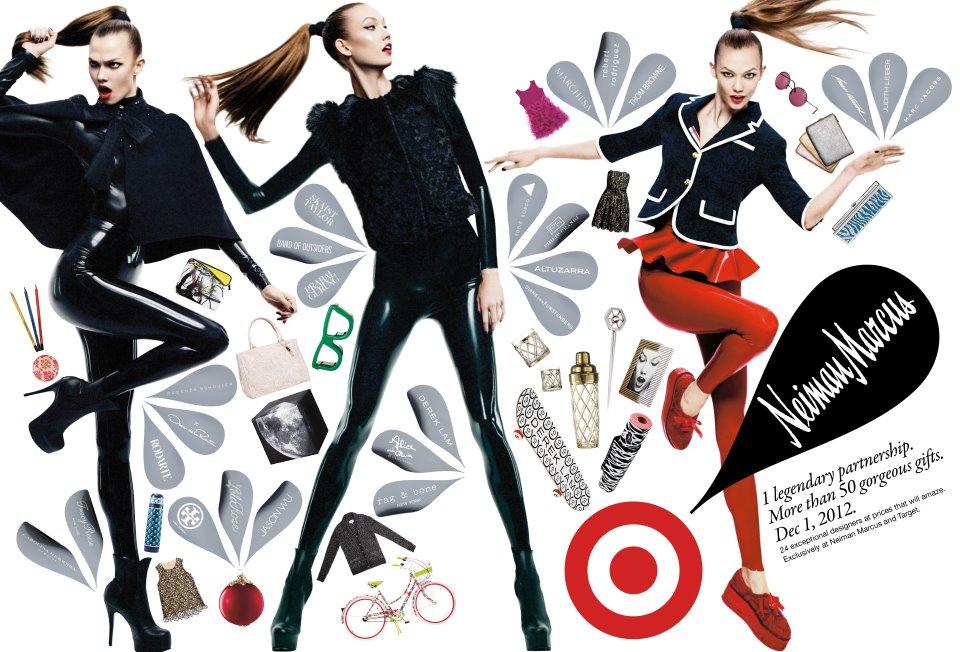
Major retailer Target achieved massive success with exclusive collections created in partnership with designers like Isaac Mizrahi and Missoni, even causing its website to crash when the items went on sale. Their collaboration with the high-end retailer Neiman Marcus promised to be just as successful; teams had put everything in place to ensure a win, imposing purchase limits and reinforcing the website ahead of the launch. Yet, the collaboration turned out to be a flop.
Les consommateurs et les experts mode ont trouvé les morceaux soit ennuyants, soit tout simplement laids, et surtout, de mauvaise qualité, malgré leur prix « élevé » comparativement aux standards de Target. Consumers and fashion experts found the pieces either boring or simply ugly, and, above all, of poor quality, despite their “high” price point in Target’s standards. Some also pointed out strategic errors, such as placing the collection at the back of the store rather than at the entrance for the launch, as well as the odd choice of items, such as Oscar de la Renta dog accessories and a Diane von Furstenberg yoga mat. It was a missed opportunity for both companies on several levels.
A brand collaboration should never be judged solely on its ability to generate buzz; instead, it should be viewed as a long-term marketing tool, given that a poor match or the dilution of brand identity through excessive partnerships can do more harm than good. The question to ask ourselves is: after the collaboration, what do people understand or feel about each of the brands?
5 Successful Brand Collaborations
Louis Vuitton x Takashi Murakami
One of the first high-profile collaborations between a brand and a successful artist dates back to 2003, when Louis Vuitton enlisted Japanese artist Takashi Murakami to reimagine a line of the brand’s handbags. The result was the multicolored monogram, which became an icon and a staple of early 2000s fashion, proudly sported by celebrities such as Paris Hilton, Naomi Campbell, Jessica Simpson, and Madonna. In doing so, Murakami did more than just decorate a product; he transformed a sacred Louis Vuitton asset, its monogram, making it instantly recognizable without stripping away its essence.
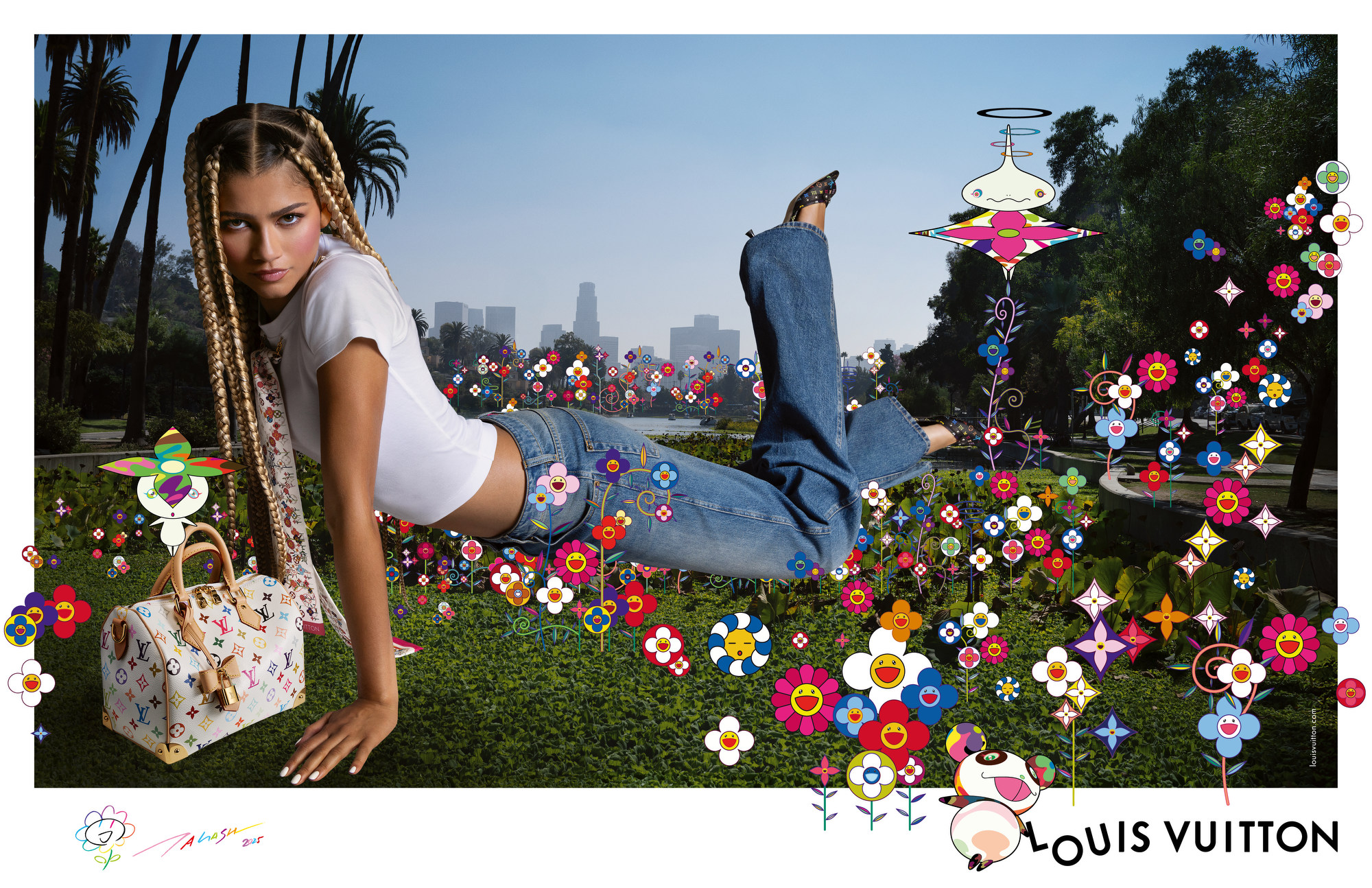
More than twenty years later, with early 2000s fashion making a major comeback, Louis Vuitton revisited and relaunched its collaboration with Murakami, this time featuring rising star Zendaya as the face of the campaign. The collection comprises no fewer than 200 pieces, ranging from bags and sneakers to skateboards, scarves, and sunglasses.
Heinz x Absolut Vodka
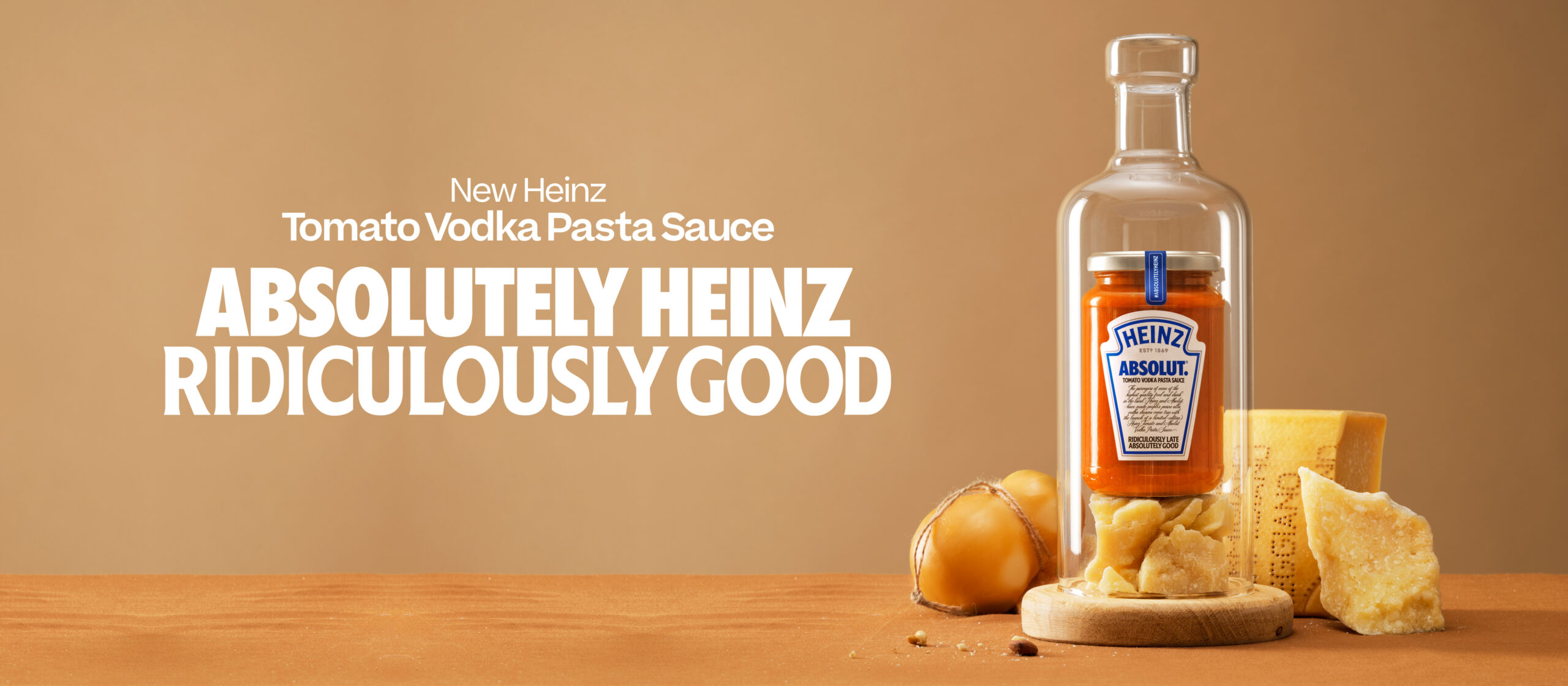
Sometimes, the best partnerships are the most unexpected. Heinz and Absolut joined forces to create a limited-edition tomato vodka sauce, capitalizing on the popularity of vodka pasta. This collaboration was a model of excellence, leveraging the strengths of both brands while injecting a playful, gourmet touch, and creating a brand-new product in the process. At first glance, the two brands seem to belong to different worlds… but then you discover the vodka sauce, and suddenly, the pairing makes perfect sense.
McDonald’s x Burger King
Few rivalries are as fierce as the one between McDonald’s and Burger King. Yet, in 2017, the two fast-food giants put their differences aside for a good cause. As part of the “A Day Without Whopper” campaign in Argentina, Burger King took an unprecedented step: halting sales of its signature Whopper for a day and encouraging customers to buy a Big Mac instead. The goal? To support McDonald’s initiative of donating all Big Mac proceeds to the fight against childhood cancer.
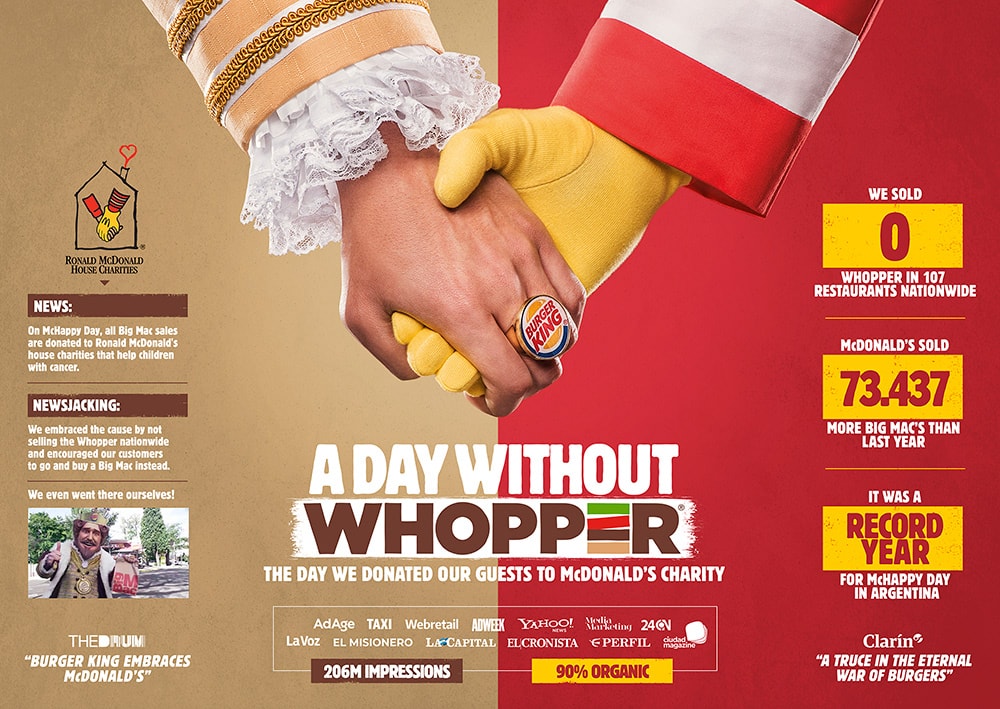
The campaign was a huge success, generating 206 million impressions and driving the sale of an additional 73,437 Big Macs. Here, the key to success lies in tension rather than compatibility ; the rivalry itself is the creative asset. Burger King asking customers to buy a Big Mac for a cause creates a story that neither brand could have told alone.
Porsche x Aime Leon Dore
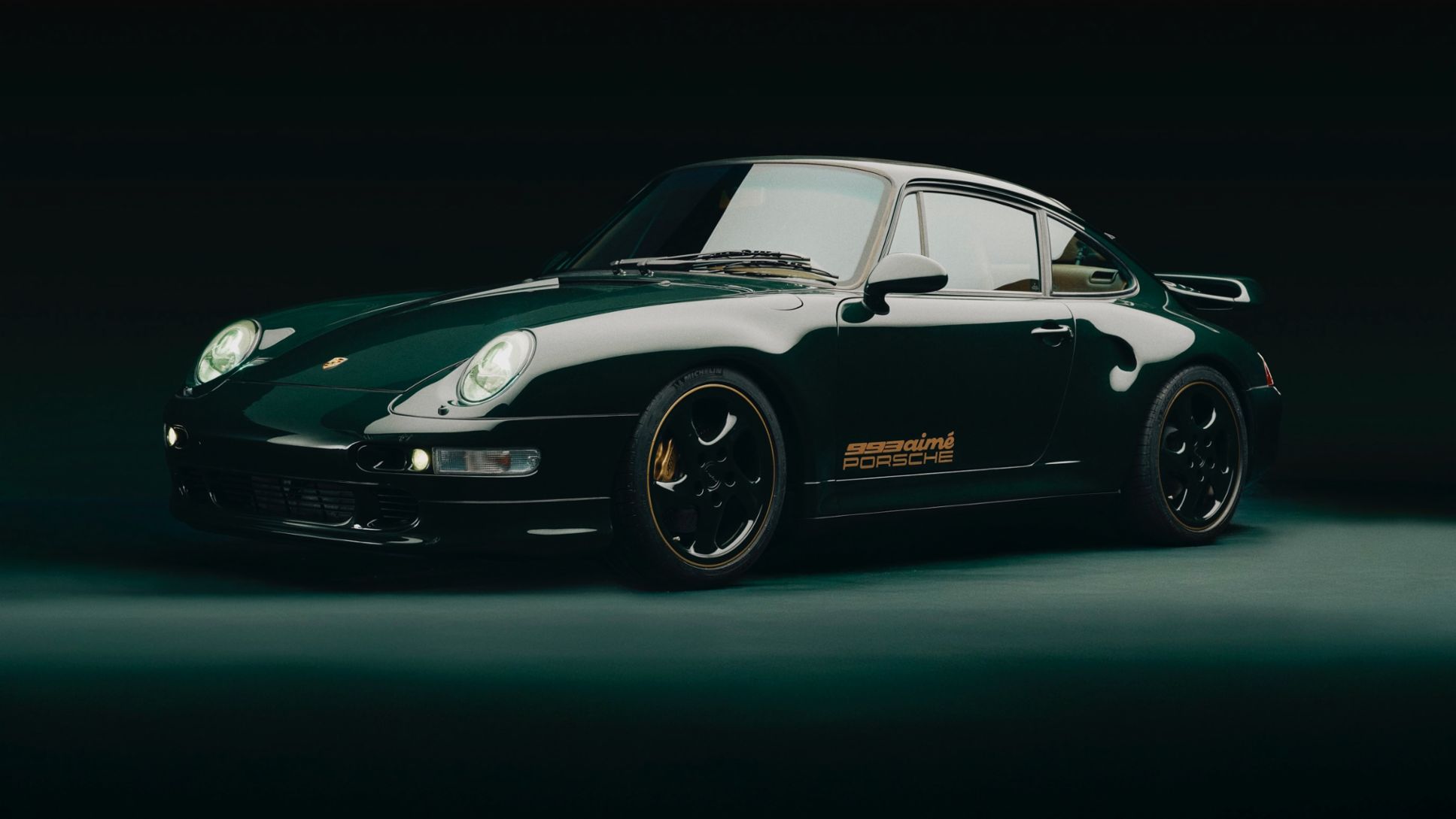
One of 2024’s best partnerships wasn’t for sale. New York fashion brand Aimé Leon Dore teamed up with luxury automaker Porsche to design a custom 911 Turbo. While the car caused a sensation, it was the merchandise and media coverage that generated revenue. This collaboration perfectly leveraged the aspirational nature of both brands to create a cultural object. The car itself didn’t even need to be sold to create value; it enhanced the world, status, and desirability of both brands.
Pokémon x Van Gogh
For this collaboration, the Van Gogh Museum partnered with Pokémon to showcase a collection of post-Impressionist-style paintings featuring the famous Japanese “pocket monsters”; a successful meeting of institutional cultural heritage and global pop culture.
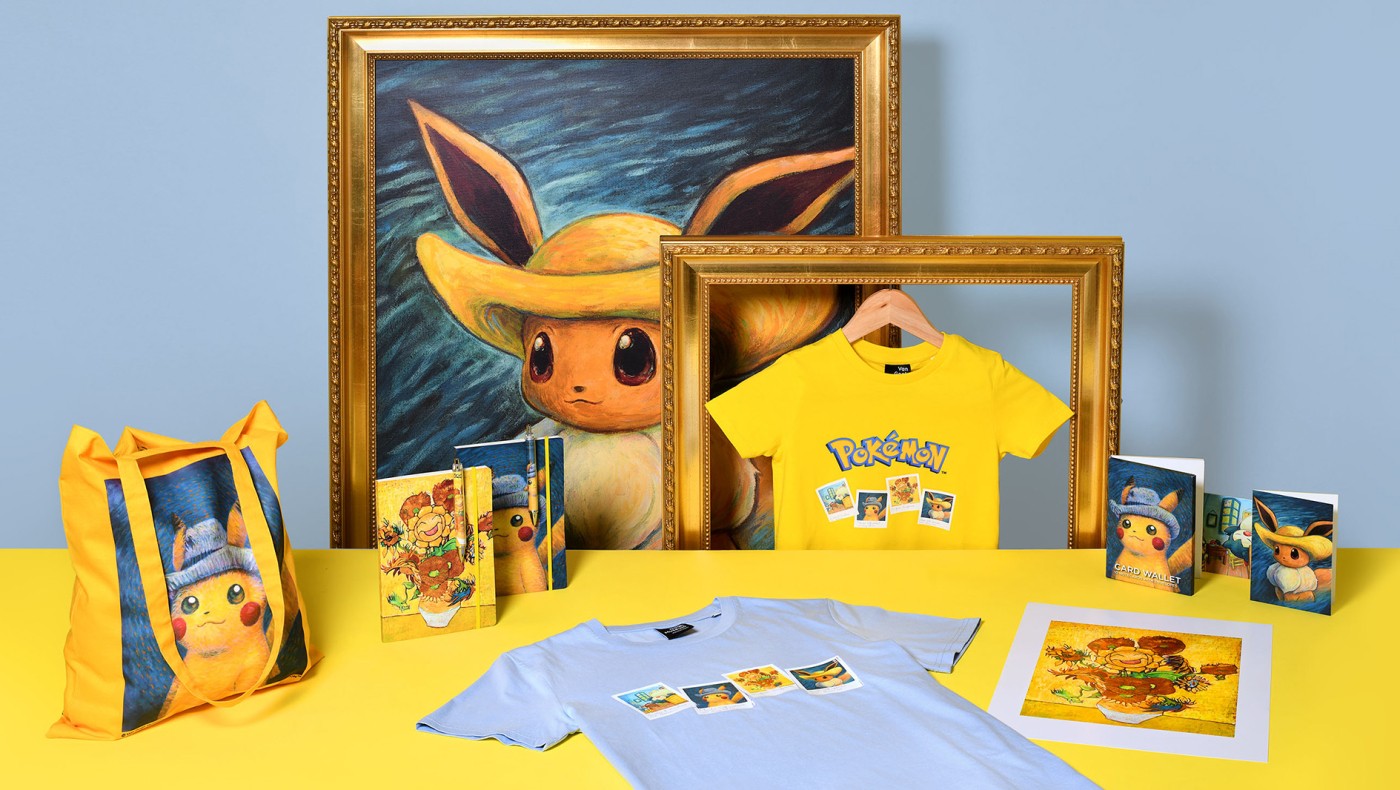
The exhibition was a massive hit, but the promotional merchandise truly stole the show. It triggered such an influx of visitors that the museum’s website crashed, and the product launch was postponed indefinitely. The lucky few who managed to get their hands on these items are already reselling them on secondary marketplaces, where prices are reaching as high as $700. It goes to show that a collaboration can generate massive buzz while simultaneously creating issues regarding the customer experience and execution.
Beyond the Buzz
The most powerful collaborations aren’t simply about bringing two audiences together. They create new territory—an idea, an experience, or a meaning that neither brand could have achieved on its own.
So, before looking for a partner, perhaps the best question to ask is: what could this collaboration allow us to become that we couldn’t become on our own?
Do you have a collaboration idea, or simply a hunch that another brand could open up new territory for yours? Let’s talk.
Sources: Signifia.co. Queue It, Business Insider, Avenue Z, Fast Company